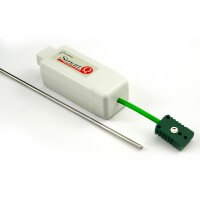
Order No. 1160
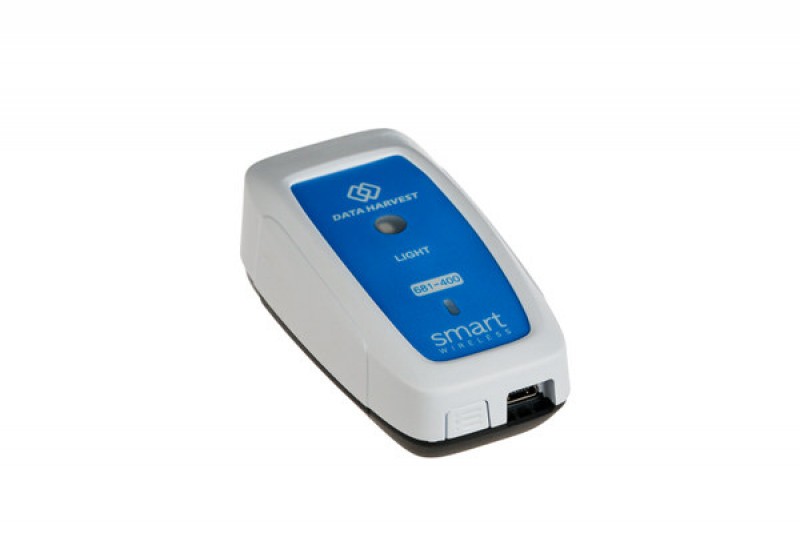
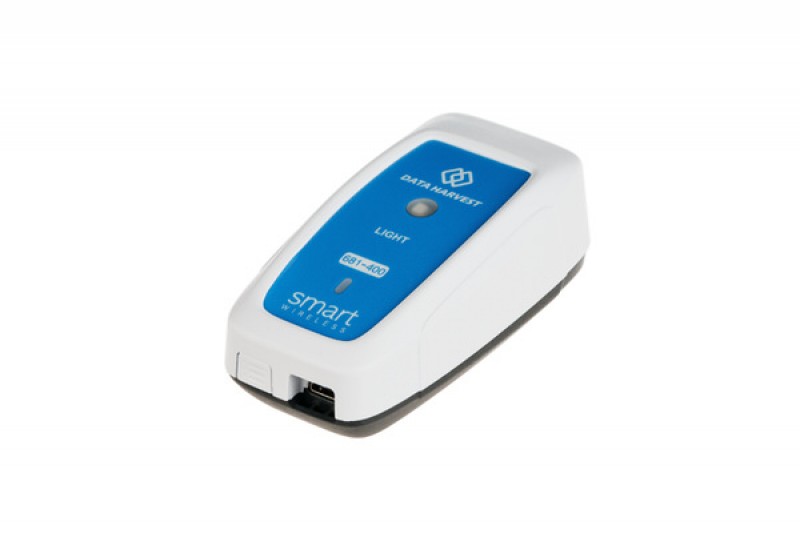
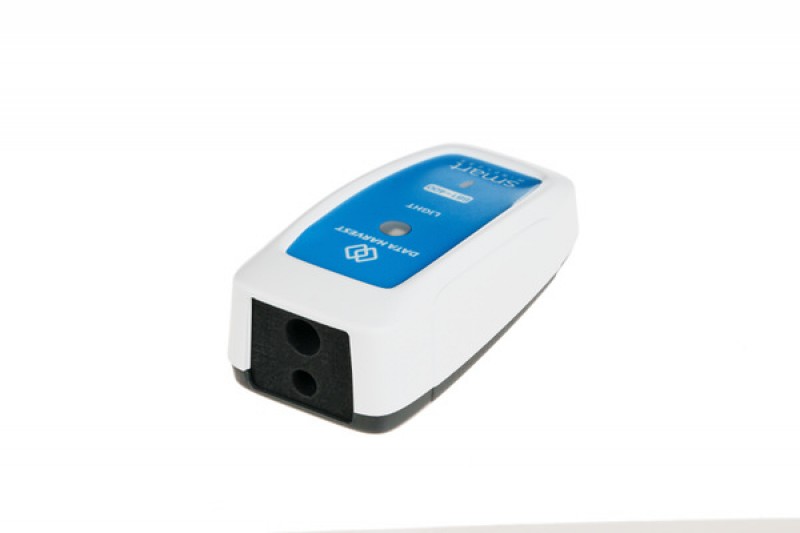
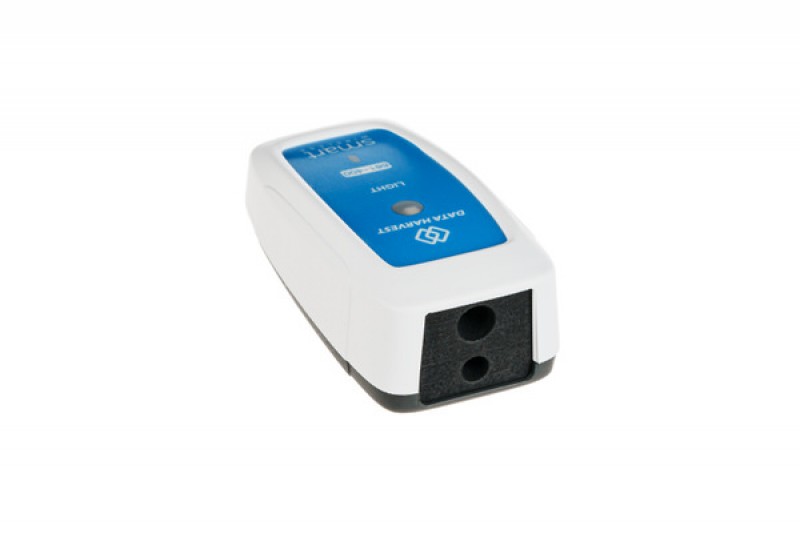
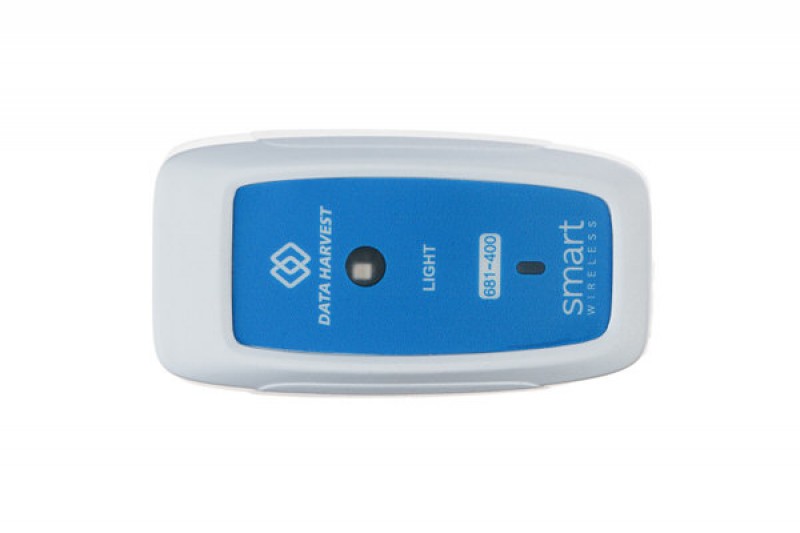
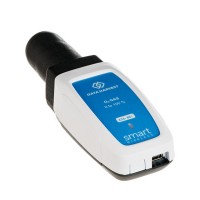
The Wireless Light and Colour Sensor is constructed to give a deep appreciation of the visible spectrum. In addition to providing a stable light source for optics, the distribution of primary colours is available to measure: a mini spectrometer.
If you are looking to investigate the visible spectrum, then this is a terrific addition for your lab.
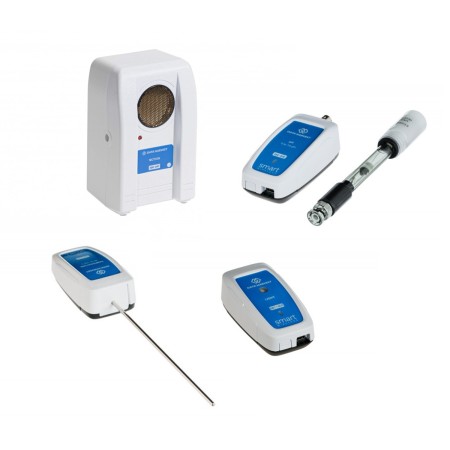
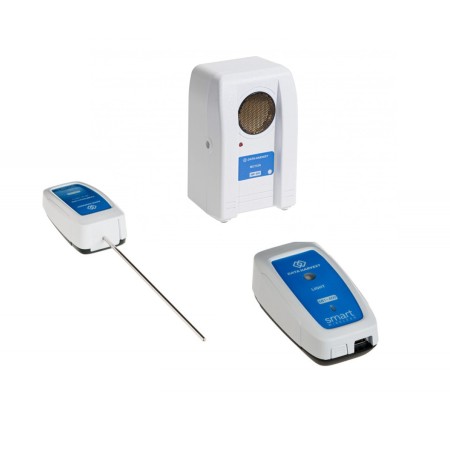
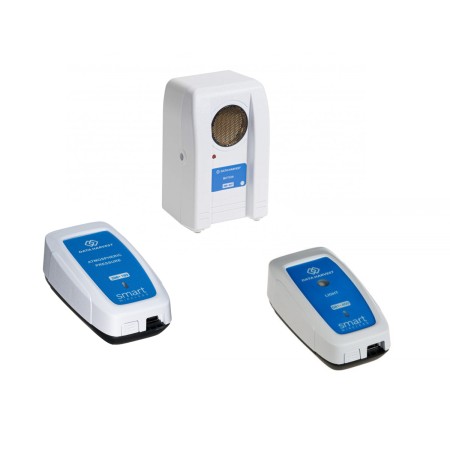
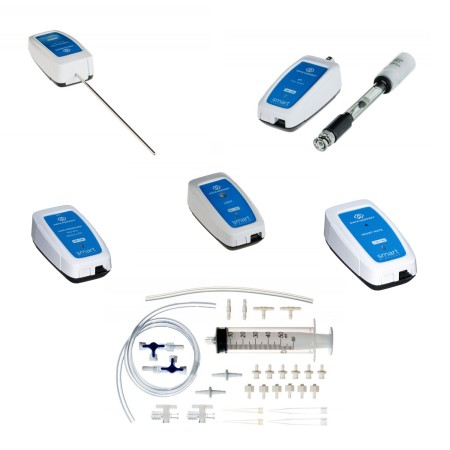
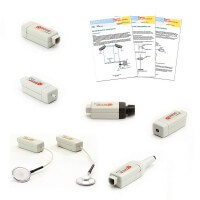
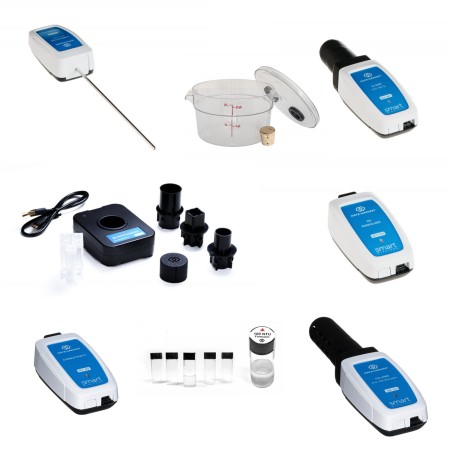
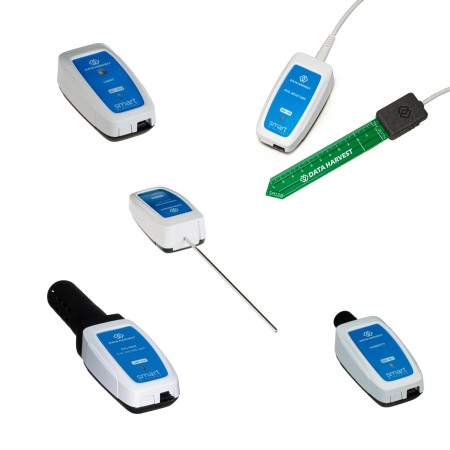
A selection of products that may compliment the Wireless Light & Colour Sensor.
Learn more about the Wireless Light & Colour Sensor in the video below, or visit our YouTube playlists for more product videos.
The sensor is extremely easy to set up, reducing time – so you can focus on the science.
Tough and very adaptable, physics, optics and environmental studies and the link between them become immediately accessible.
You can take the classroom to the outside world! The sensor helps convert everyday activities into physics and statistics.
Designed to be used across the physical science disciplines, this sensor provides an ideal platform to introduce or extend the advantages of data logging, data storage and analysis.
Designed to be practical and “hands on,” it is a wonderful platform for getting students to think about experimental design philosophy and data collection.
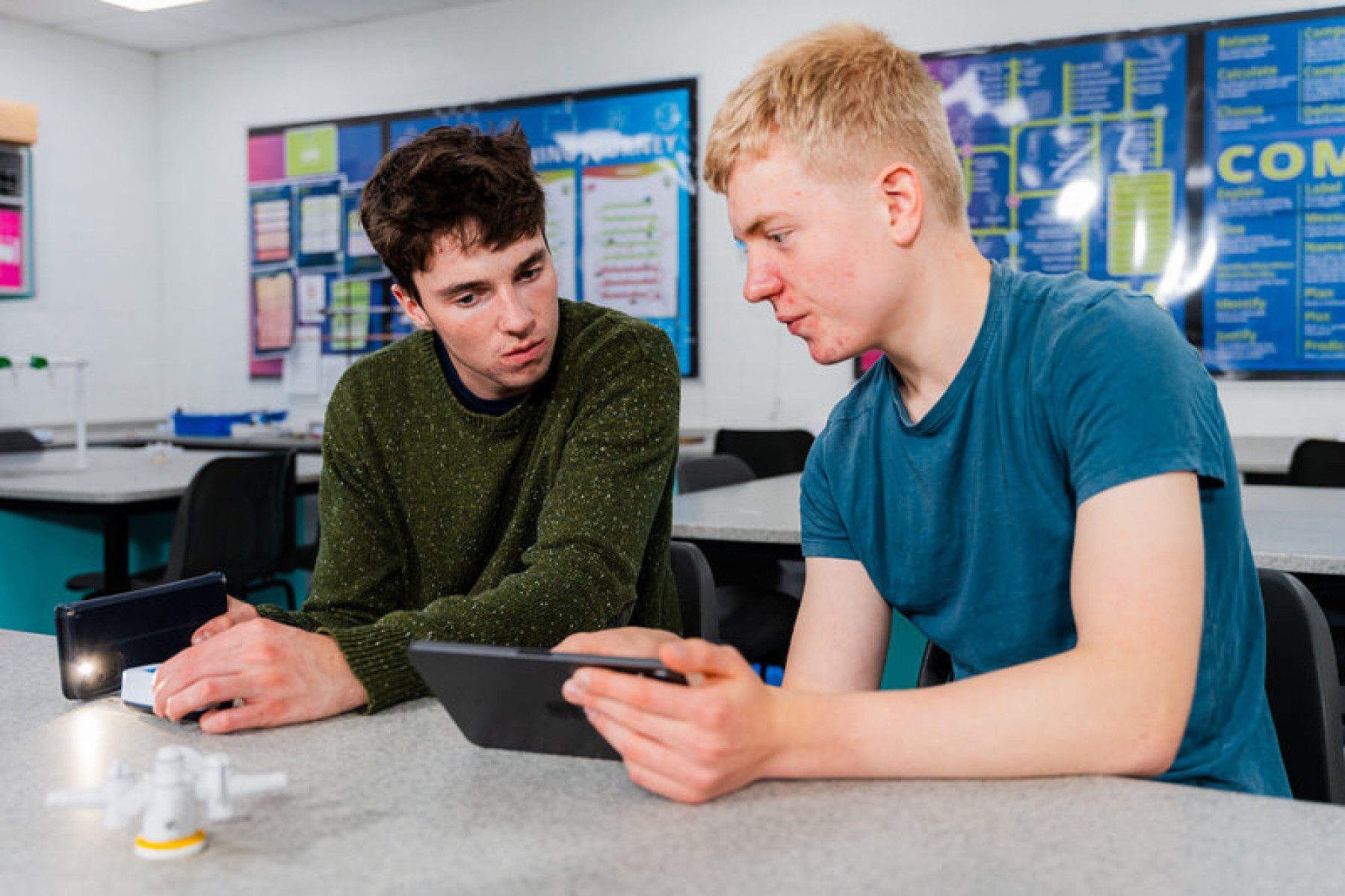
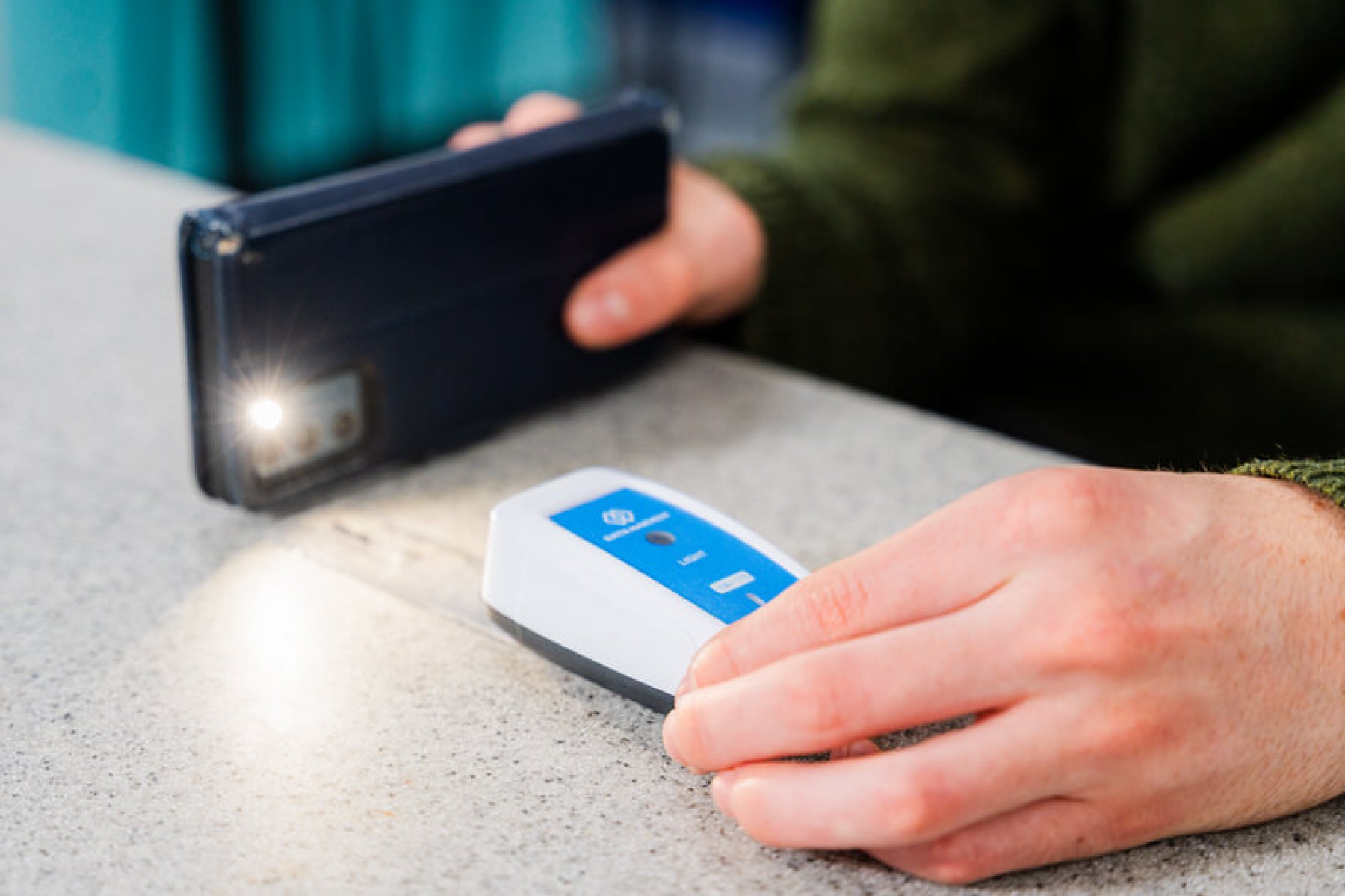
The sensor is small enough to allow practical experiments and hand-held demands.
Connected to the latest EasySense software, the sensor comes to life with the ability to display data live and compare results.
The Smart Wireless Light & Colour Sensor is USB and Bluetooth compatible. Using Bluetooth, a sensor can connect to mobile devices, tablets, laptops, and desktops.
Want to know how you can use this product in your science lessons? Take a look at the list of possible use cases and activities to get you started with the Wireless Light & Colour Sensor.
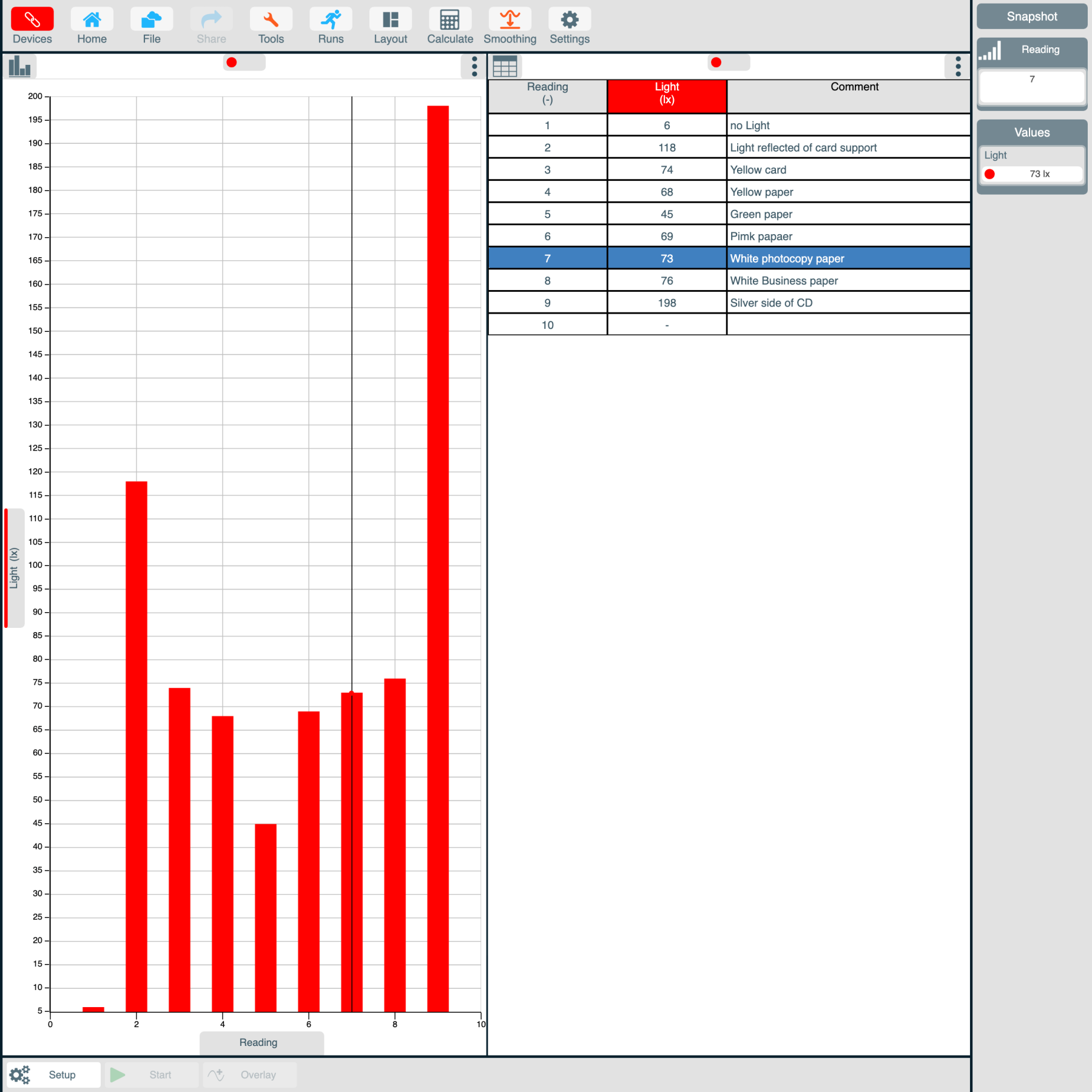
Learn more about the Wireless Light & Colour Sensor specification and range information.
| Ambient Light | 30 klx and 135 klx |
|---|---|
| Direct Light | 4 klx and 16 klx (slow) 1 klx, 10 klx and 100 klx (fast) |
| Direct Colour | High and low sensitivity and Red, Green, Blue and White |
| Illumination LED | White |
| Connectivity | USB or Bluetooth |
| Battery | Internal rechargeable |
Download our free teacher worksheets for the Wireless Light & Colour Sensor
Electrical Characteristics Of A Light Dependent Resistor
Discipline: Physics Topics: Electrical Characteristics Of LDR
Investigate Reflections
Discipline: Physics Topics: Reflections
Investigate how steady light levels actually are
Discipline: Physics Topics: Investigating Whether DC Is Actually AC
Investigate Young's Single Slit Diffraction Experiment
Discipline: Physics Topics: Diffraction
Investigate Young's Double Slit Diffraction Experiment
Discipline: Physics Topics: Diffraction
Heating And Cooling On Planet Earth!
Discipline: Earth Sciences,Physics Topics: Earth's Heating Effects, Thermodynamics, Radiation
Photosynthesis And Light Level Variations
Discipline: Biology Topics: Photosynthesis By PH And Light
Investigate how photosynthesis happens by monitoring CO2 changes
Discipline: Biology,Greenhouse Science Topics: Photosynthesis
Longitudinal Waves In A Slinky
Discipline: Physics Topics: Longitudinal Waves, Spring Constant, Wave Dynamics
Investigate The Iodine Clock
Discipline: Chemistry Topics: Rate Of Reaction
Investigate Light And Dark
Discipline: Physics Topics: Where Light And Dark Places Are
Investigate Night And Day Light Levels
Discipline: Earth Sciences Topics: Testing How The Earth Is Lit By The Sun
Investigate Night And Day Summer And Winter Files
Discipline: Earth Sciences Topics: A Comparison Of The Earths Lighting In Summer And Winter
Investigate Malus's Law
Discipline: Physics Topics: Malus's Law Of Polarisation
Investigate the science of cleaning water
Discipline: Chemistry,Earth Sciences,Environmental Sciences Topics: Water Cleaning, Filtering
Investigate inverse relationship of light vs distance (snapshot recording)
Discipline: Maths,Physics Topics: Inverse Square Law
Investigate The Inverse Square Law
Discipline: Maths,Physics Topics: The Inverse Square Law
Investigate The Breakdown Of Starch
Discipline: Chemistry Topics: Chemical Kinetics And Enzyme Chemistry
Investigate What Is Light And What Is Not
Discipline: Maths,Physics Topics: Understanding Measurements And Data, Light
Investigate spectrometer
Discipline: Chemistry,Physics Topics: Spectrum, Diffraction, Light, Order
Investigate young's double slit diffraction schrodingers equation
Discipline: Physics Topics: Quantum Mechanics, Light, Interference
Investigate sunlight seasons and temperature
Discipline: Earth Sciences,Physics Topics: Sunlight, Temperature, Seasons
Investigate chopper disk fourier synthesis final.xlsx
Discipline: Physics Topics: Fourier Analysis
All our sensors come with 5 years warranty and lifetime support, we ensure your investment gives you complete peace of mind.